
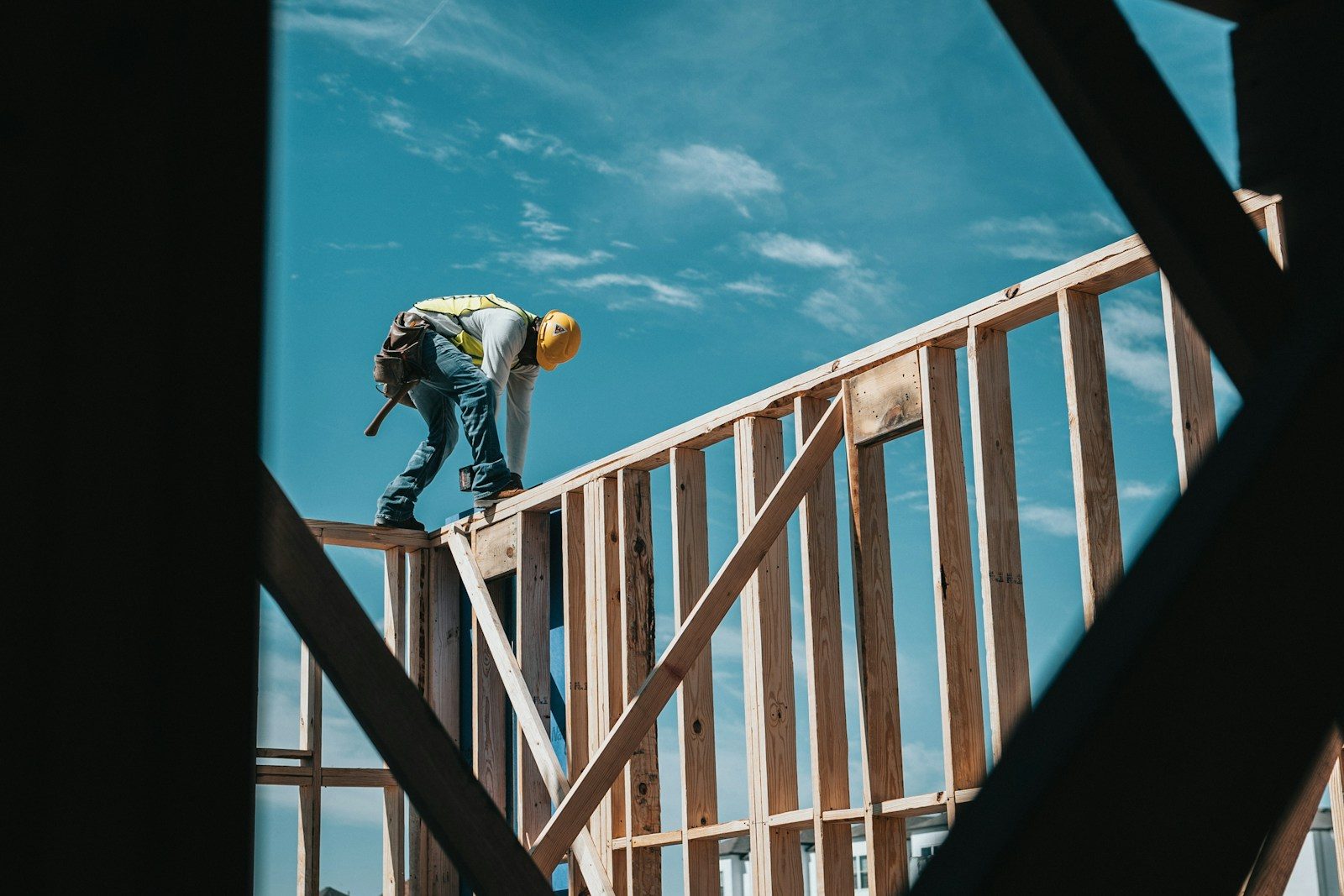
Building a new home costs more than it used to, and that shift ripples out into what your existing house is actually worth right now.
Why New Construction Has Gotten More Expensive
Lumber, labor, permitting fees, and land costs have all climbed in recent years, pushing the price of building a brand new home up considerably compared to what it cost just a few years back. Builders pass these costs directly onto buyers, since there is no other way to absorb them.
A new home that once competed directly with an existing house on price now often sits meaningfully more expensive, which changes how buyers weigh their options between something newly built and something already standing.
How This Affects Buyer Behavior
When new construction gets pricier, more buyers shift their attention toward existing homes instead, since they offer a lower entry point even with some age and wear built in. This shift increases demand for existing housing stock across most price ranges.
Buyers who might have stretched for a new build a few years ago now more often settle for an existing home, sometimes planning renovations later rather than paying the premium that comes with brand new construction from the start.
Why This Tends to Support Existing Home Values
More buyer demand chasing a relatively fixed supply of existing homes tends to support or even push up values, since existing houses become the more accessible option once new construction prices climb out of reach for a larger share of buyers.
This effect does not apply evenly everywhere, and areas with a lot of new construction already underway may feel less of this pressure than markets where new building has slowed considerably due to these rising costs.
What This Means If You Are Selling
An existing home in good condition, priced competitively against both other existing listings and the elevated cost of new construction nearby, often benefits directly from this dynamic, especially in markets where new building has slowed noticeably in recent years.
Homeowners sometimes overlook this angle when pricing a listing, focusing only on comparable existing sales without considering how the cost of building new is shaping buyer decisions in the background of every showing.
How This Connects to Available Inventory
What low housing inventory actually means for sellers ties directly into this trend, since rising construction costs discourage new building, which keeps overall inventory tighter than it might otherwise be in a market with cheaper building costs.
Tighter inventory combined with buyers priced out of new construction creates a favorable backdrop for existing home sellers, even in a broader market that might otherwise feel uncertain or unsettled for other reasons.
Using This Information Practically
Understanding this dynamic helps you price a listing with more confidence, since you are not just competing against other existing homes, you are also benefiting from every buyer priced out of the new construction market entirely.
A cash buyer factoring this trend into an offer often reflects it in the comparable sales used, since those comparable sales already capture what buyers are actually willing to pay in a market shaped by these exact construction cost pressures.

Leave a Reply