
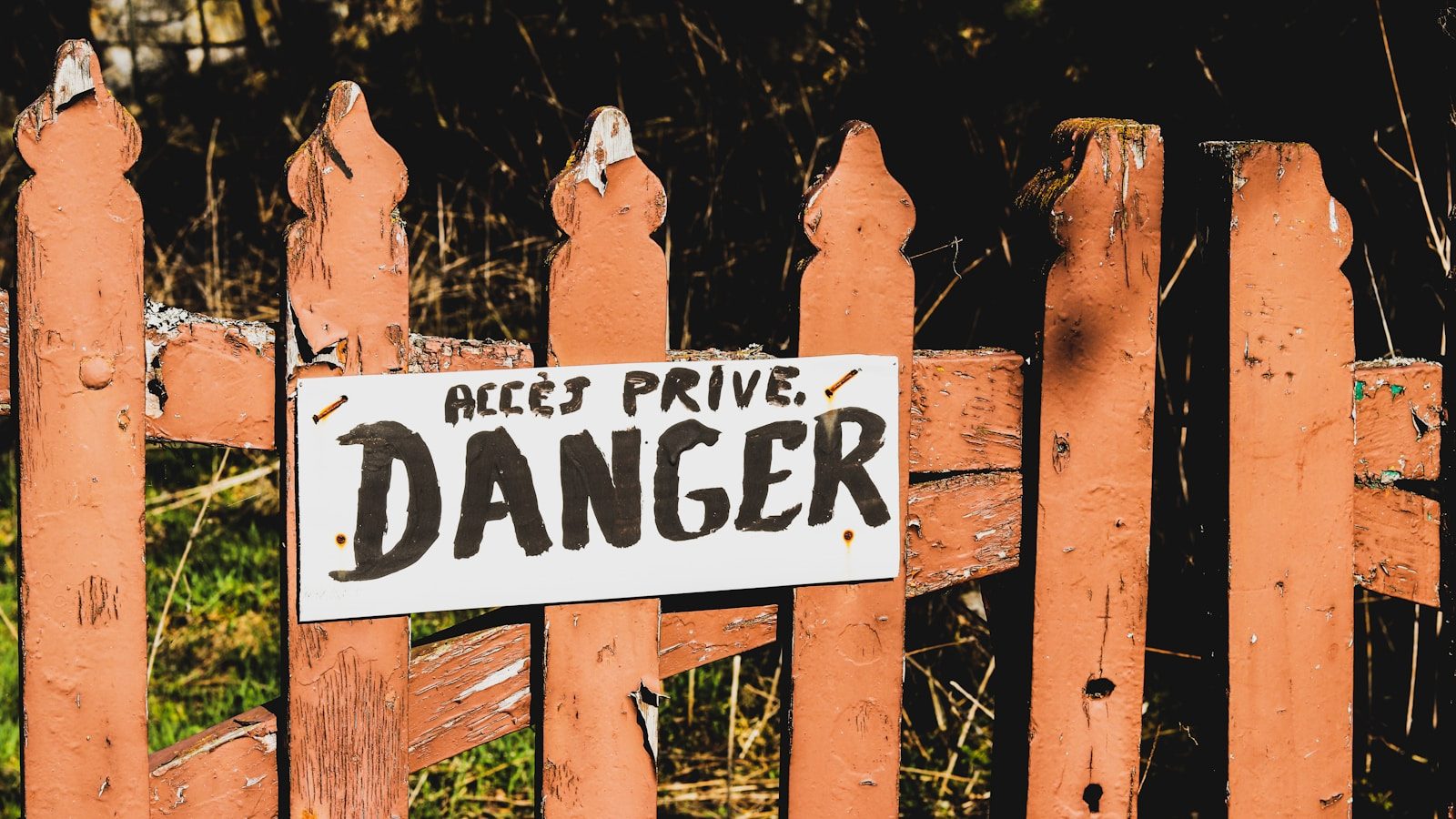
A code violation notice can feel alarming the first time it shows up, especially if you had no idea anything about your property was out of compliance. Whether it is an old electrical panel, an unpermitted structure, or a safety issue flagged during a routine inspection, the notice itself does not have to derail your plans to sell. Understanding how violations actually get handled during a sale removes a lot of the panic that comes with receiving one unexpectedly.
Common Types of Code Violations
Electrical and plumbing issues that no longer meet current code, structures built without proper permits, and safety hazards like missing smoke detectors or blocked exits are among the most common violations that surface during a property review or a neighbor complaint.
Some violations are minor and inexpensive to resolve, while others, particularly structural or major system issues, can require significant investment to bring the property into full compliance depending on how outdated or extensive the problem actually is.
How Violations Typically Get Discovered
A municipal inspection, a complaint from a neighbor, or a routine review triggered by a permit application for unrelated work can all lead to a violation notice being issued, sometimes for an issue the homeowner was genuinely unaware of.
A title search or a buyer’s own walkthrough can also surface violations that were never formally reported to the city, which is why disclosing any known issues upfront, even unreported ones, matters more than hoping they simply go unnoticed.
Whether You Need to Fix Violations Before Selling
This depends heavily on local regulations and how a specific sale gets structured. Some jurisdictions require violations to be resolved before a property can transfer ownership, while others allow a sale to proceed as long as the violation gets properly disclosed to the buyer.
A cash buyer, unlike a traditional financed buyer, often has more flexibility here, since there is no lender requiring the property to meet specific standards before approving a loan against it.
How Cash Buyers Handle Violations
A cash buyer typically factors the cost of resolving a known violation directly into their offer, similar to how they price any other needed repair, rather than requiring the issue to be fixed before the sale can move forward at all.
This means a property with unresolved code violations can often still sell quickly, with the buyer taking on the responsibility of bringing the property into compliance after closing rather than the seller needing to handle it beforehand.
What Happens If a Violation Surfaces After Accepting an Offer
A breached purchase agreement becomes a relevant concern if a significant violation surfaces after an offer has already been accepted, since it can sometimes give a buyer grounds to renegotiate or, in serious cases, walk away from the deal entirely depending on how the agreement was written.
Disclosing any known violations upfront, before an offer is even made, prevents this kind of late-stage complication and keeps the transaction moving forward on solid footing from the start.
Getting an Accurate Picture Before You Sell
Checking with your local municipality directly, or reviewing any past inspection reports, gives you a clear sense of whether any violations exist on record before you start the sale process, removing the risk of an unwelcome surprise partway through.
Moving Forward With a Violation on Record
A code violation does not need to stall a sale or force you into expensive repairs before you can move on from the property. A cash buyer experienced with these situations can price the issue into an offer and handle the resolution themselves after closing, letting you sell the property as it currently stands.

Leave a Reply