
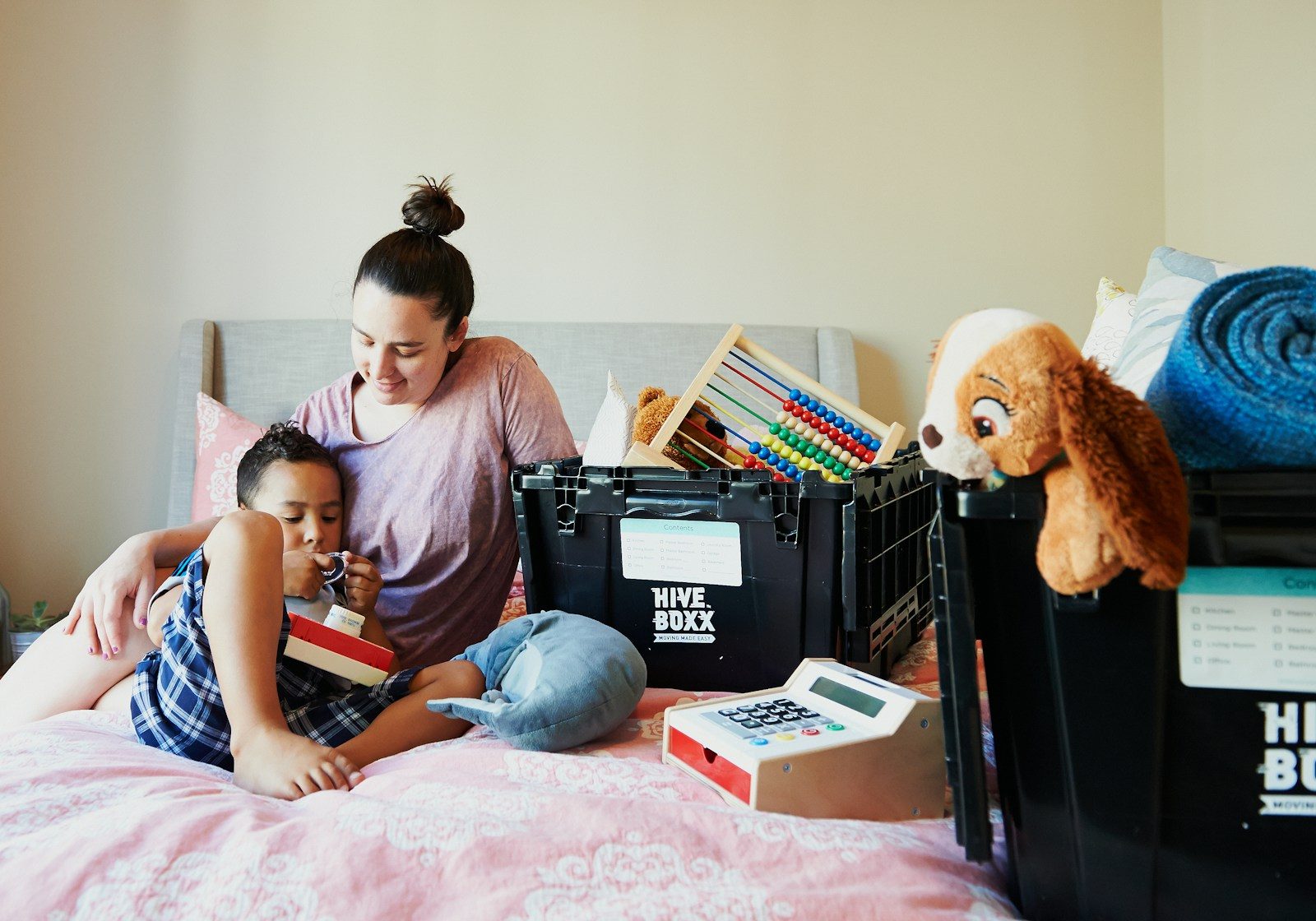
Moving in with an adult child is a decision more families are making, whether driven by aging, health considerations, a desire for more connection, or simply the practical benefits of combining households. It is rarely a decision made lightly, and it usually comes with a bigger question attached: what happens to the home you are leaving behind. Understanding your options for that property helps you approach the transition with a clear plan rather than an unresolved loose end hanging over an already significant life change.
Why Families Choose This Arrangement
Aging parents sometimes move in with adult children specifically to have support nearby, whether for health reasons, help with daily tasks, or simply the comfort of family close at hand rather than living independently at a distance from loved ones.
Financial considerations play a role too, since combining households can reduce overall living expenses for everyone involved, freeing up resources that might otherwise go toward maintaining two separate homes with two separate sets of ongoing costs.
The Emotional Weight of This Decision
Leaving a longtime home to move in with family carries real emotional complexity, even when the arrangement genuinely makes sense practically. Parents sometimes feel a loss of independence, while adult children navigate the adjustment of having a parent under their roof again after years of separate living.
Acknowledging this emotional side openly, rather than treating the decision as purely logistical, tends to make the transition smoother for everyone involved, since unspoken feelings about the change can otherwise create tension nobody quite knows how to address directly.
Why Timing the Home Sale Matters
A home sitting unsold while a parent has already moved in with family accumulates the same carrying costs any vacant property does, mortgage, taxes, insurance, maintenance, without anyone benefiting from actually living there during that stretch.
Hidden costs of holding onto a home too long apply directly to this situation, since delaying the sale after the move has already happened simply extends a period of ongoing expense that serves no real purpose once the decision to relocate has been made.
Deciding What to Do With Belongings
Downsizing from a full home into a room or a smaller space within an adult child’s home means most belongings will not make the move, requiring sorting decisions that take real time and emotional energy to work through properly.
Some families choose to sell the home before fully sorting through every belonging, working with a buyer willing to purchase the property as is, contents included, which removes pressure to finish an overwhelming sorting process before the sale can move forward.
Why a Fast Sale Often Fits This Transition
A traditional listing, with its preparation, staging, and showings, adds complexity that a family already managing a significant life transition often does not have the bandwidth to take on, particularly if health or mobility concerns are part of what prompted the move in the first place.
A direct cash sale lets the property sell in its current condition, without requiring repairs or an extended preparation period, letting the family focus their energy on the actual transition rather than managing a drawn-out sale process on top of everything else.
Coordinating the Sale Around the Move
Some families choose to finalize the living arrangement first, giving the parent time to settle in, before addressing the home sale separately. Others prefer to handle both simultaneously, closing on the sale around the same time the move actually happens.
Making the Transition Smoother for Everyone
Whatever the right sequence turns out to be, having accurate information about what the home could sell for removes one uncertainty from an already significant family transition, letting everyone focus on the adjustment itself rather than an unresolved property decision hanging in the background.

Leave a Reply