
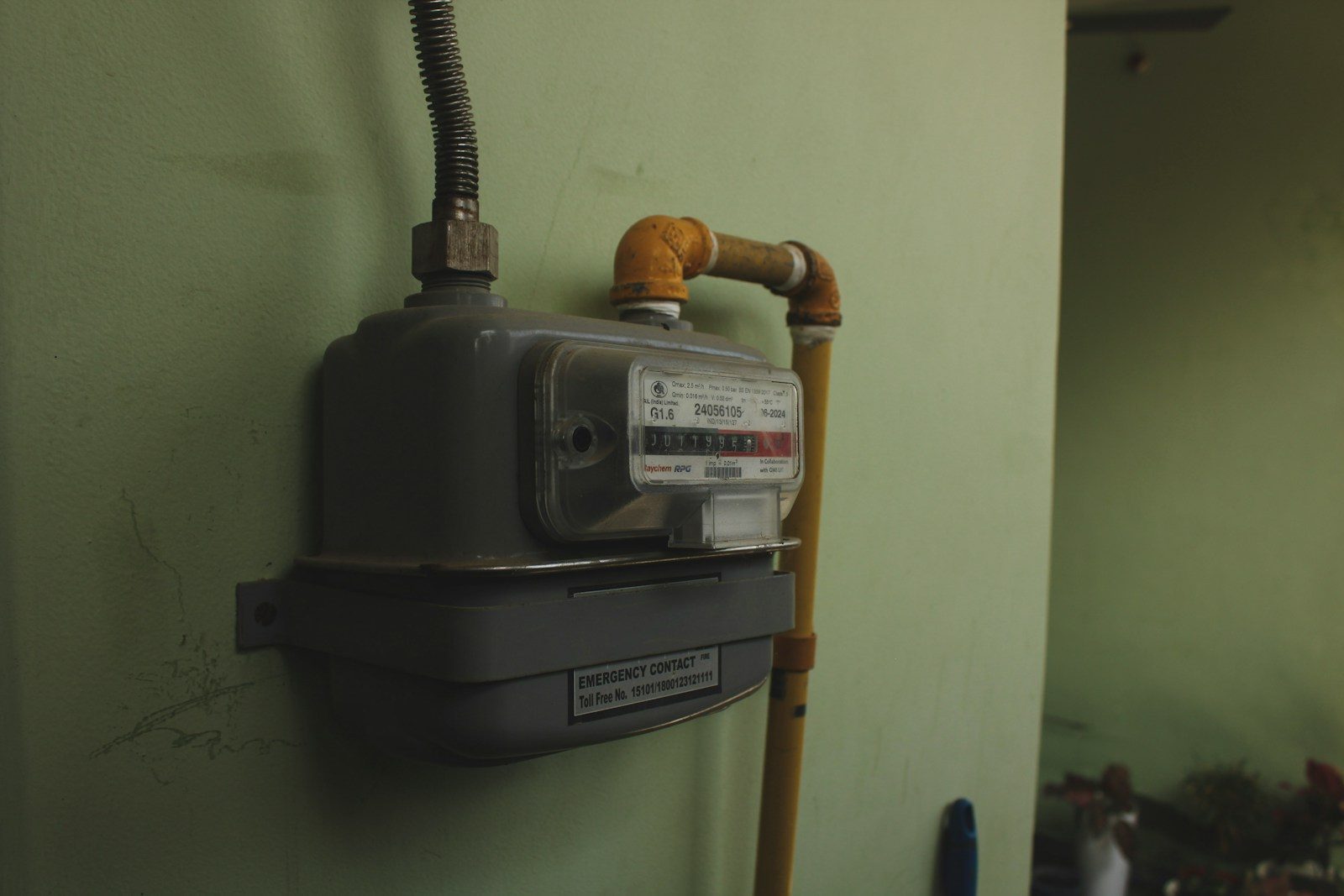
An empty house does not need electricity for lights that never turn on or water for showers nobody takes, so it seems reasonable to assume utility costs drop close to zero once a property sits vacant. In reality, several utilities still need to run at some level to protect the property itself, and those costs add up faster than most homeowners expect. Knowing what to budget for during a vacancy helps you plan realistically rather than being surprised by bills that never actually stopped.
Why Some Utilities Cannot Simply Be Shut Off
Electricity often needs to stay on to power a security system, keep sump pumps running to prevent flooding, or maintain minimal heating during cold months to prevent pipes from freezing and causing significant water damage throughout the property.
Water service, even at minimal usage, sometimes needs to remain connected as well, particularly if any irrigation system or fire suppression system depends on it, or if shutting water off entirely creates its own complications with certain plumbing systems.
Heating and Cooling Costs During Vacancy
Maintaining a minimal temperature range, even in an unoccupied home, protects against frozen pipes in winter and excessive humidity or mold growth in summer, both of which can cause damage considerably more expensive than the utility cost of simply keeping the system running at a reduced level.
This means a vacant home in a region with harsh winters or humid summers often still carries a meaningful monthly heating or cooling bill, even though nobody is actually living there to benefit directly from the climate control.
Security System and Monitoring Costs
Many homeowners maintain security monitoring on a vacant property specifically because empty homes are more vulnerable to break-ins or vandalism, adding another recurring monthly cost on top of the utilities needed to keep the system itself powered and functional.
This cost is often worth the expense, since a security breach or act of vandalism typically costs far more to repair than months of monitoring fees would have cost to prevent in the first place.
Lawn Care and Basic Upkeep
Regular lawn maintenance, even for a vacant property, prevents the home from looking obviously abandoned, which can attract unwanted attention or even violate local ordinances in some areas that require properties to be kept in a certain condition regardless of occupancy status.
This cost, while smaller than utilities individually, adds another line item to the ongoing expense of holding a vacant property, one that homeowners sometimes forget to include when estimating their total monthly carrying cost.
Adding Up the Real Monthly Total
Hidden costs of holding onto a home too long cover this exact territory in more depth, since utility costs on a vacant property are just one piece of a larger picture that includes mortgage payments, insurance, taxes, and maintenance all continuing simultaneously.
Adding utilities specifically into that broader total often reveals a monthly carrying cost considerably higher than homeowners initially assume when they picture an empty house sitting quietly with minimal ongoing expense.
Reducing Costs Without Creating New Risks
Some reduction is possible, lowering the thermostat further, reducing security monitoring to a more basic package, or scaling back lawn service frequency, though homeowners should weigh any reduction carefully against the risk of costlier damage resulting from cutting corners in the wrong place.
Factoring This Into Your Decision Timeline
Understanding the real monthly cost of a vacant property gives you a clearer, more honest picture of what continuing to hold it actually costs, information that matters directly when deciding how long you can reasonably afford to wait before moving forward with a sale.

Leave a Reply