
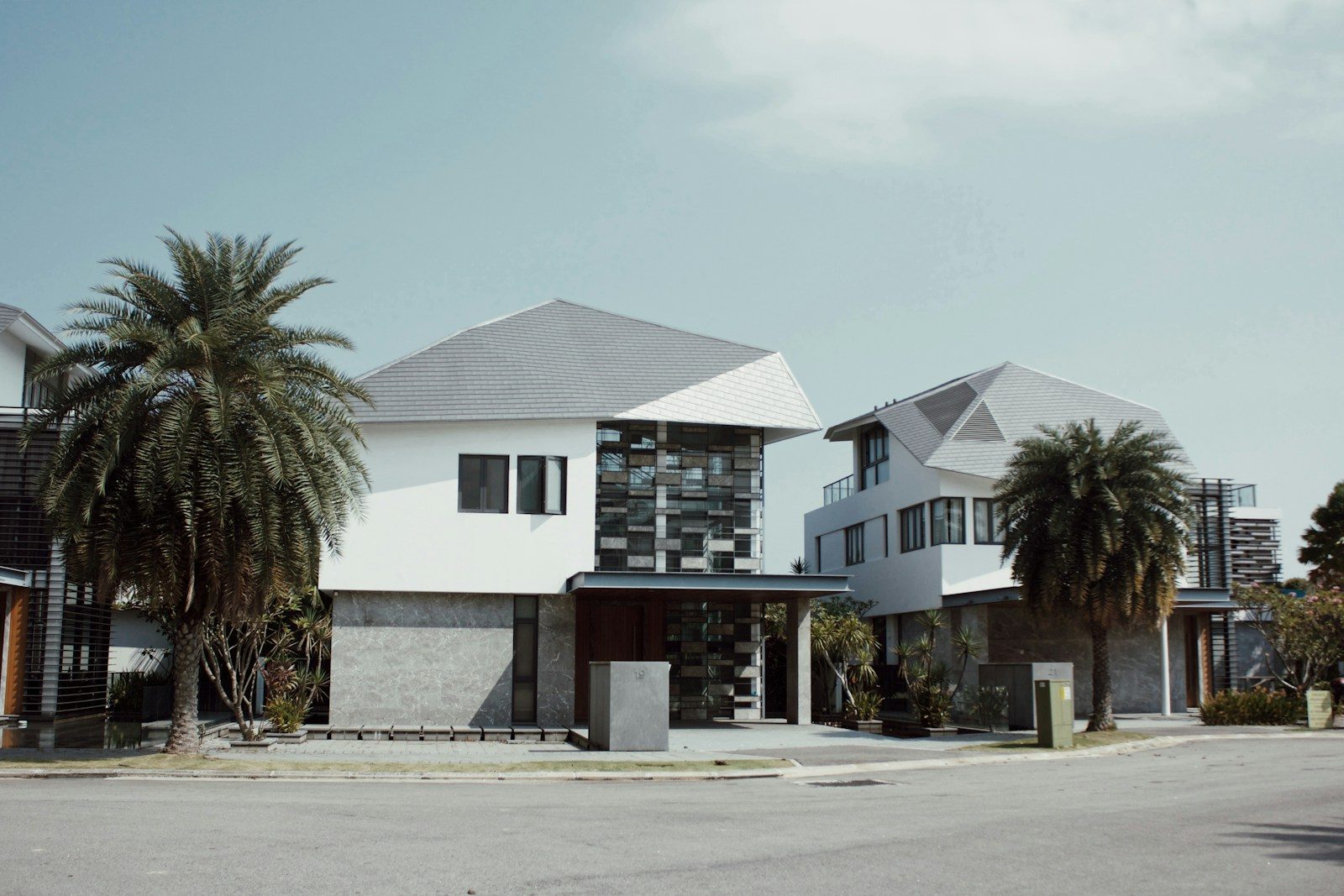
A vacation home or second property that once brought the whole family together sometimes quietly becomes a burden nobody wants to fully acknowledge. Maybe the kids grew up and stopped visiting, maybe the upkeep became more than anyone wants to manage from a distance, or maybe the property was inherited and simply never became a priority for anyone in the family to actually use. Whatever the reason, a second home sitting mostly empty costs real money every month it continues to sit that way, and recognizing when it is time to let go is often more straightforward than families initially expect.
Why These Properties Often Go Underused
Family vacation homes frequently start out well-loved and heavily used, only to see visits decline gradually as children grow up, move away, or simply develop different priorities that no longer center around the same annual trips that once justified keeping the property.
Inherited second homes face a similar pattern, sometimes held onto out of sentiment or a sense of obligation rather than a genuine ongoing use, leaving heirs paying for upkeep on a property nobody actually visits with any regularity.
The Real Cost of Keeping an Underused Property
Every month a second home sits mostly empty, it still requires mortgage payments if any balance remains, property taxes, insurance, and basic maintenance, expenses that add up considerably over a year even without frequent use to show for them.
Utility costs on a vacant home apply directly here too, since a second home needs at least minimal utility service to prevent damage even when nobody is actively living there, another recurring cost that families sometimes forget to factor into the full picture of what the property actually costs them each year.
Why Families Hesitate to Sell
Sentimental attachment plays a real role, especially with a property tied to childhood memories or family gatherings, making the decision to sell feel like it carries more weight than a purely financial calculation would suggest.
Some families also worry about disappointing relatives who might object to selling, even if those same relatives rarely visit the property themselves, creating a situation where nobody wants to be the one to suggest letting it go despite everyone quietly recognizing it no longer serves its original purpose.
Having an Honest Family Conversation
Bringing up the actual costs and usage patterns directly, rather than avoiding the topic, often reveals that more family members are open to selling than anyone initially assumed, since everyone may have been individually hesitant to be the first to suggest it.
A clear, honest conversation about what the property actually costs each year, compared against how often anyone genuinely uses it, tends to shift the conversation from an emotional debate into a more practical one everyone can engage with more comfortably.
Making the Sale Process Simple
A second home, particularly one that has not been regularly maintained given infrequent visits, sometimes benefits from a direct cash sale rather than a traditional listing requiring repairs and staging before it can go to market.
This is especially true if the property sits some distance from where family members currently live, making it difficult to manage a traditional sale process, coordinate showings, or oversee repairs without significant additional travel and time investment from someone in the family.
Converting an Underused Asset Into Something Useful
Selling a second home that no longer serves its original purpose frees up the money currently going toward its upkeep, funds that can go toward experiences the family will actually use, other financial priorities, or simply provide breathing room in an already busy family budget.
Letting Go Without Losing the Memories
Selling a property does not erase the memories made there, and many families find that once the financial and logistical burden lifts, they can appreciate what the property once meant without needing to keep paying for its upkeep indefinitely.

Leave a Reply